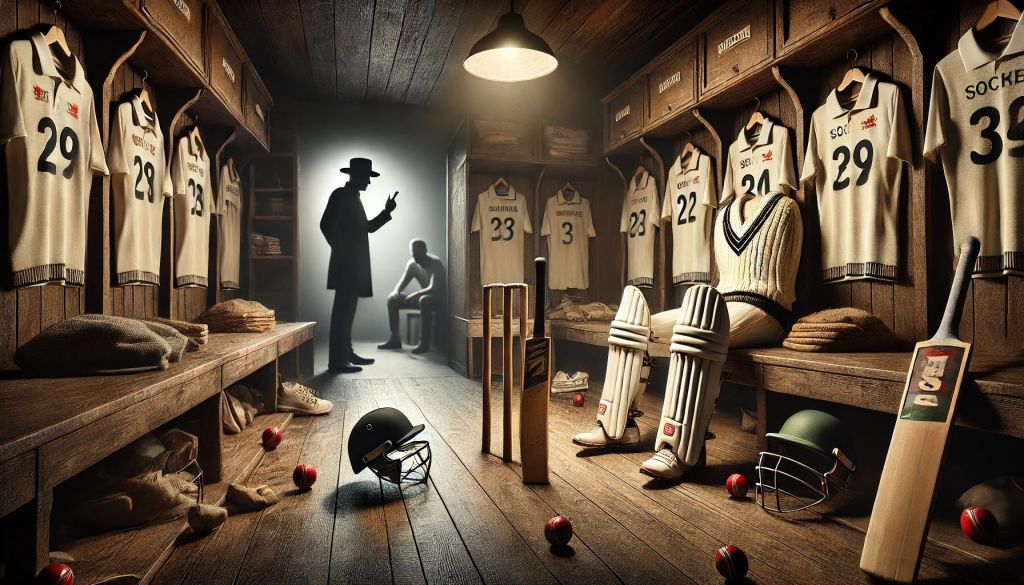
When we think of cricket, we imagine towering sixes, pinpoint yorker, and roaring crowds. But what happens when the cameras stop rolling? Beneath the camaraderie lies a world of tension, ego battles, and silent feuds that fans rarely get to see. Here’s a deep dive into cricket’s dressing room dynamics, where the game gets as intense off the field as it does on it.
The Feuds That Shaped Cricket History
1. Kohli vs. Rohit: The Power Struggle
Rumors of a cold war between Virat Kohli and Rohit Sharma became the talk of cricket circles in 2021. While both legends have publicly denied any tension, insiders hinted at clashing visions for the Indian team. Kohli’s aggressive leadership style reportedly didn’t sit well with Sharma’s composed approach, leading to whispers of divided loyalties in the team.
2. Shane Warne vs. Steve Waugh: The Selfish Debate
Shane Warne’s iconic rivalry with his captain, Steve Waugh, went beyond the field. Warne accused Waugh of being overly self-centered, a sentiment that peaked when Waugh dropped him during a crucial Test in 1999. Warne’s autobiography pulled no punches, calling Waugh “the most selfish cricketer I ever played with.”
Coaches Caught in the Crossfire
Coaches play the role of mediators, balancing egos and guiding the team through internal conflicts.
Justin Langer and the Aussie Fallout: Langer’s intense coaching style faced backlash from players like Aaron Finch and Pat Cummins, who felt his methods were overly rigid. His eventual resignation in 2022 highlighted how even coaches aren’t immune to dressing room politics.
John Wright’s Mediation for India: Wright, India’s coach during the Ganguly era, skillfully navigated personality clashes within the team, ensuring players like Harbhajan Singh and Anil Kumble worked together seamlessly.
Captaincy Clashes: The Ultimate Power Play
1. India’s Leadership Drama
The abrupt removal of Virat Kohli as ODI captain in 2021 left fans shocked. Kohli later revealed a lack of communication from the BCCI, sparking rumors of tension with then vice-captain Rohit Sharma.
2. The Michael Clarke Controversy
Clarke’s captaincy was marred by allegations of favoritism, with some Australian teammates accusing him of prioritizing friendships over team cohesion. This led to a fractured dressing room and a dip in Australia’s performances.
Egos and the Battle for Spotlight
Egos often fuel rivalries within teams, especially when bowlers and batsmen compete for the spotlight.
Zaheer Khan’s Revelation: Zaheer once hinted at how bowlers in India feel overshadowed by the constant glorification of batsmen.
Newcomers vs. Veterans: Stories from players like Rishabh Pant highlight the challenges of earning respect in a team dominated by senior players.
The IPL: Where Friendships Are Tested
The Indian Premier League, with its mix of international stars, creates unique dynamics. Imagine sharing a dressing room with players like Chris Gayle, Virat Kohli, and AB de Villiers—all superstars in their own right. The IPL auctions also add fuel to the fire, with players often feeling undervalued or overlooked, leading to friction.
When Conflicts Spill Over
Not all dressing room battles stay hidden:
David Warner vs. Quinton de Kock: Their fiery altercation during the 2018 South Africa vs. Australia series reportedly began with personal insults exchanged in the dressing rooms.
Yuvraj Singh vs. MS Dhoni (Alleged): While neither player has openly discussed it, Yuvraj’s father accused Dhoni of sidelining his son, fueling speculation about tension.
The Silent Toll on Players
While fans cheer for their heroes, the unseen battles behind the scenes often take a toll. Mental health struggles, burnout, and pressure from cricket boards add to the challenges. Sports psychologists now play a crucial role in managing these pressures, but the dressing room remains a volatile space where emotions run high.
Conclusion
The dressing room isn’t just a space where cricketers strategize—it’s where egos clash, alliances form, and the true test of character unfolds. These hidden battles, while challenging, often make the difference between a good team and a great one.
Do you think these off-field dynamics strengthen or weaken a team? Share your thoughts below!




 Umpire's Call